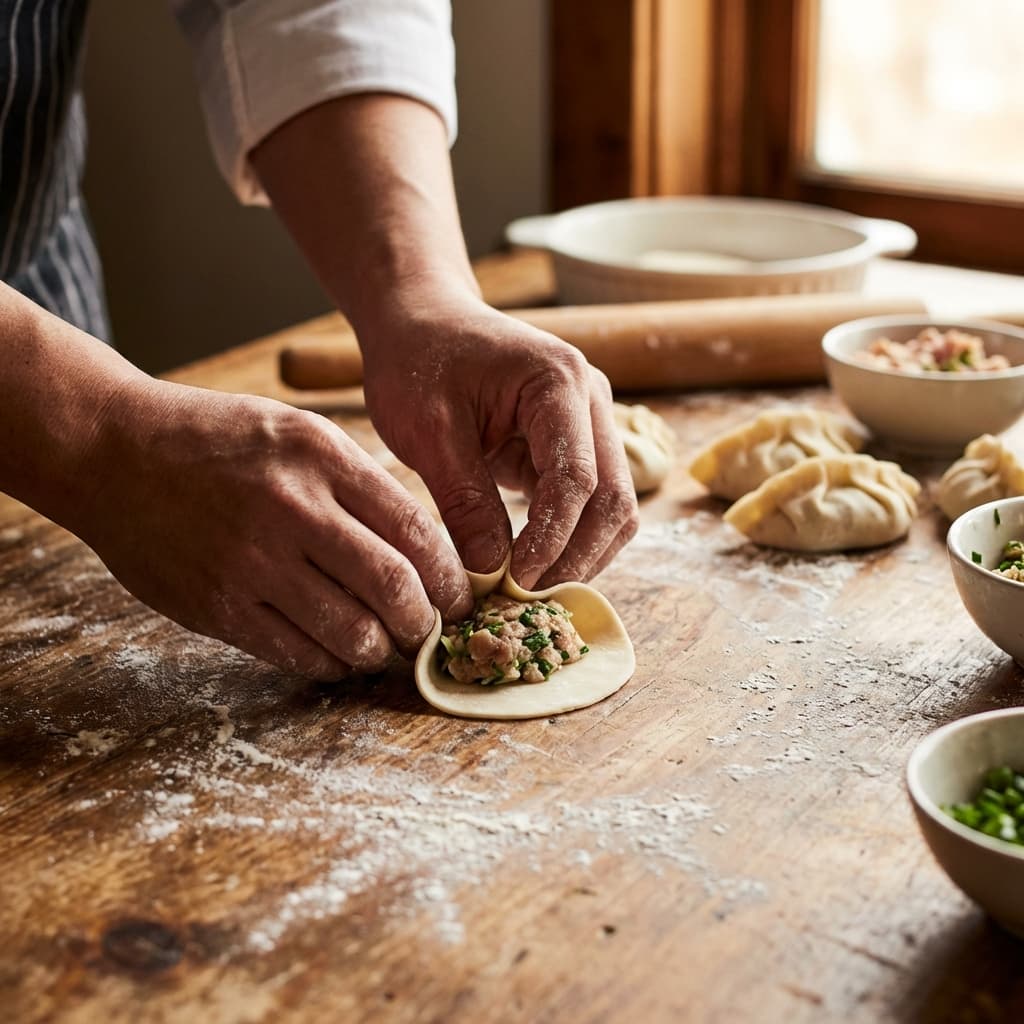
The Art of Dim Sum: A Guide to Traditional Dumplings
Dim sum, which translates to "touch the heart," is more than just a meal—it's a cultural experience that has been perfected over centuries in China. This beloved tradition of sharing small plates of food with tea has become a global phenomenon, bringing families and friends together around steaming bamboo baskets.
The History of Dim Sum
Originating in the teahouses of ancient China along the Silk Road, dim sum began as small snacks to accompany tea. Travelers would stop at these establishments for rest and refreshment, and over time, the art of creating these delicate morsels evolved into an elaborate culinary tradition.
Types of Dim Sum
From the translucent har gow (shrimp dumplings) to the pillowy char siu bao (BBQ pork buns), each dim sum item requires specific techniques passed down through generations. The xiaolongbao, or soup dumpling, is perhaps the most technically demanding—a thin wrapper holding a perfect balance of meat and rich broth.
The Dim Sum Experience
Traditional dim sum service involves carts pushed through the restaurant, with servers offering dishes from bamboo steamers. Diners select what appeals to them, creating a leisurely meal that can last for hours. It's not just about eating—it's about connection, conversation, and celebrating the art of Chinese cuisine.